Cassia Cinnamon: The Warm Bark Behind the Word 'Cinnamon'
Open a spice jar labelled simply 'cinnamon' and breathe in: warm, sweet, a little fiery. But that single word hides several different trees. In the TCM tradition the exact bark matters — and the bark in this lesson has a precise name: cassia cinnamon bark, Cinnamomum cassia, known in Vietnamese as nhục quế.
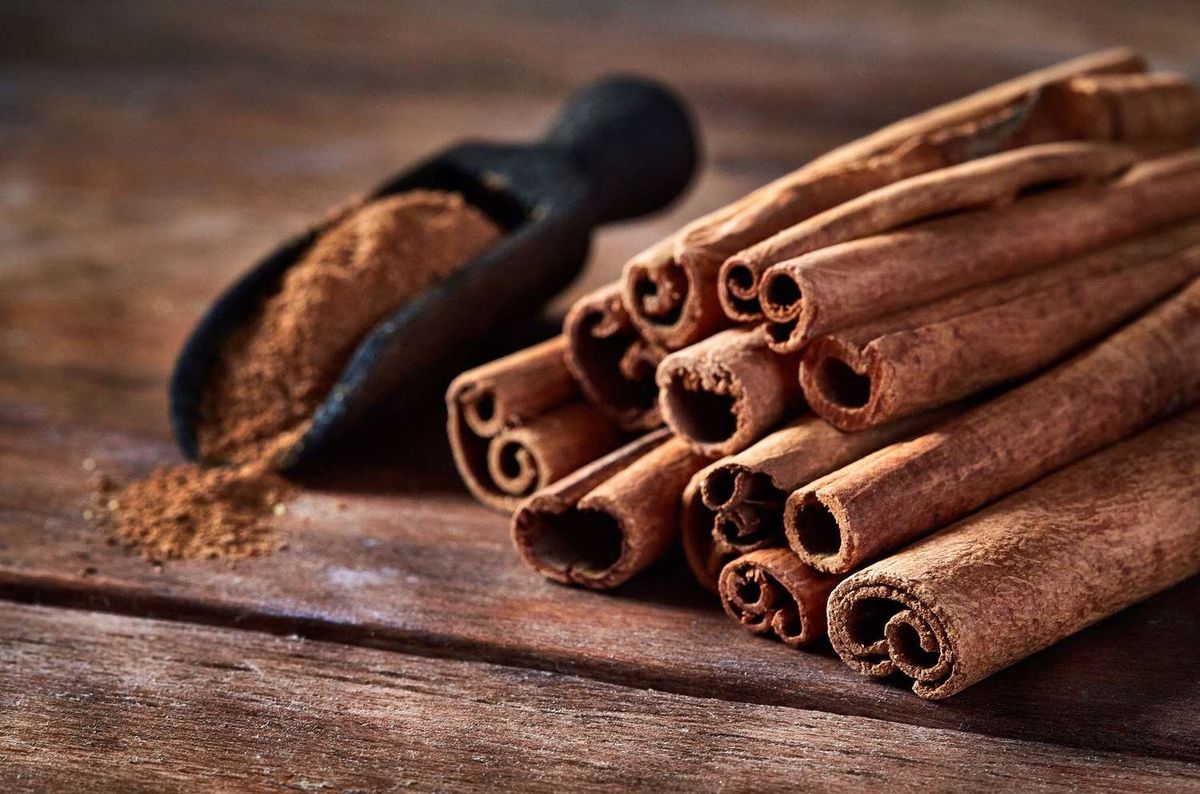
- Meet nhục quế. Nhục quế is the bark of the cassia tree, Cinnamomum cassia. The bark is thick and hard; peeled and dried, it curls into the sturdy sticks you find in Asian grocery stores. If you have ever simmered a pot of phở, you have probably met its warm scent — a cinnamon stick is part of the classic phở spice family.
- Cassia is not Ceylon. 'True cinnamon', Ceylon cinnamon (Cinnamomum verum), forms thin, papery sticks made of many fragile layers that crumble easily, with a milder, more delicate flavour. Cassia sticks are thick, hard, and usually a single tight curl — and the flavour is stronger and hotter. Most supermarket 'cinnamon' in North America is cassia. Powder is nearly impossible to identify by eye, so whole sticks and honest labels are your friends.
- The tradition lens. In TCM, nhục quế is one of the great warming herbs: tradition describes it as stoking the body's inner fire and scattering cold — in traditional language, bổ hỏa trợ dương, tán hàn. In this course it is the signature herb of the Yang deficiency pattern (Dương hư), the pattern tradition associates with feeling cold and running low on inner warmth.
- The evidence lens. Cinnamon is widely studied, especially around blood sugar, with mixed and modest results — interesting, not conclusive. Cassia also naturally contains coumarin, a compound that matters at large daily amounts (see the safety note). The honest frame for this lesson: cassia as a culinary spice in food, where its record is long and its amounts are small.
🛡️ Safety first
Cassia's warmth comes with fine print. Cassia contains notably more coumarin than Ceylon cinnamon, and large daily amounts — especially ground cassia taken day after day, or supplements — can strain the liver. Normal seasoning amounts in food are the frame of this lesson. Because cinnamon is studied for blood-sugar effects, check with your clinician before using cassia regularly or in concentrated form if you take diabetes medication. Concentrated extracts and essential oils are not recommended in pregnancy; ordinary food seasoning is a different scale, but when in doubt, ask. If you want cinnamon daily in larger culinary amounts, Ceylon is the gentler choice many herbalists suggest.
🎯 Try it
If you can, buy one cassia stick and one Ceylon stick and compare them side by side: thickness, hardness, how they curl, how they smell. Then simmer the cassia stick in a pot of tea or broth and notice the warmth in the aroma. Reading a spice jar like a herbalist starts exactly here.
✏️ Quick quiz
Herbalingo is education only. Nothing here diagnoses, treats, or cures any condition, or replaces your healthcare professional.